

Graupner Holzminiaturen
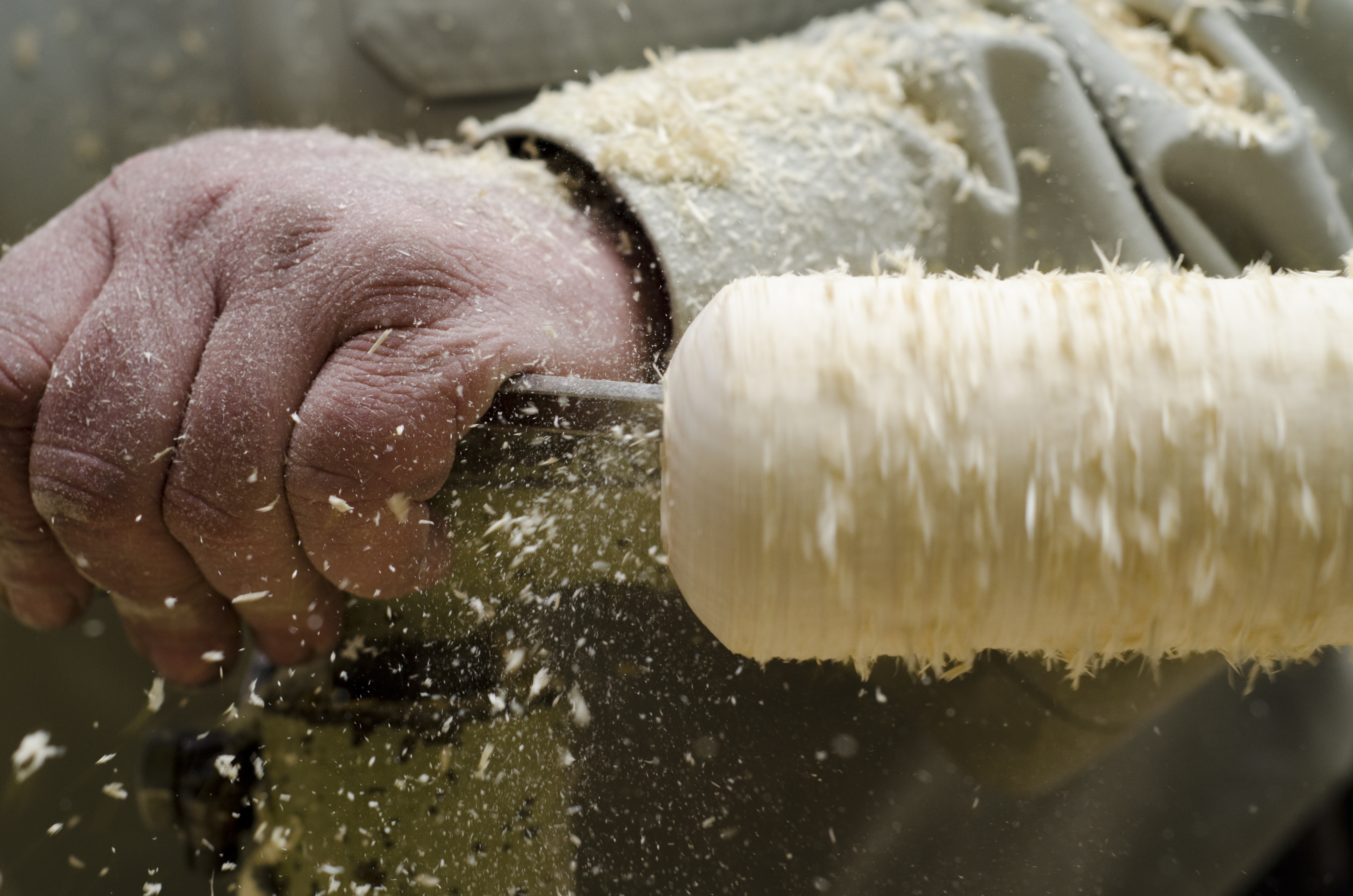
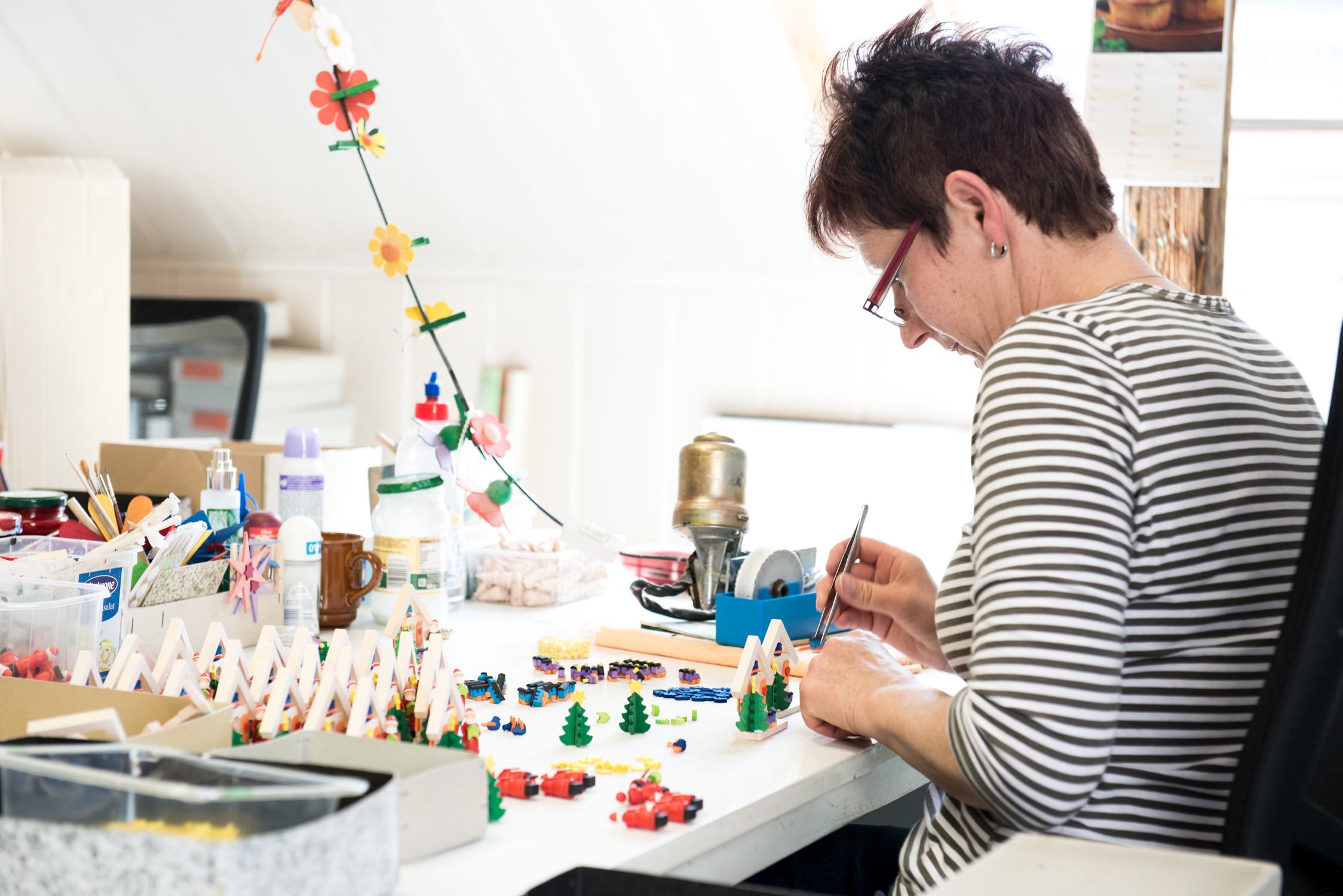
Graupner Holzminiaturen makes exactly what the name says: wooden miniatures, roughly 400 different designs from 3 to 30-plus centimeters, some built from as many as 150 individual wooden parts. Ronald and Kordula Graupner founded the workshop in Crottendorf in 1986, just a few years before the DDR collapsed, after Ronald retrained as a certified wood-toy maker in response to a state appeal for more producers in the trade.
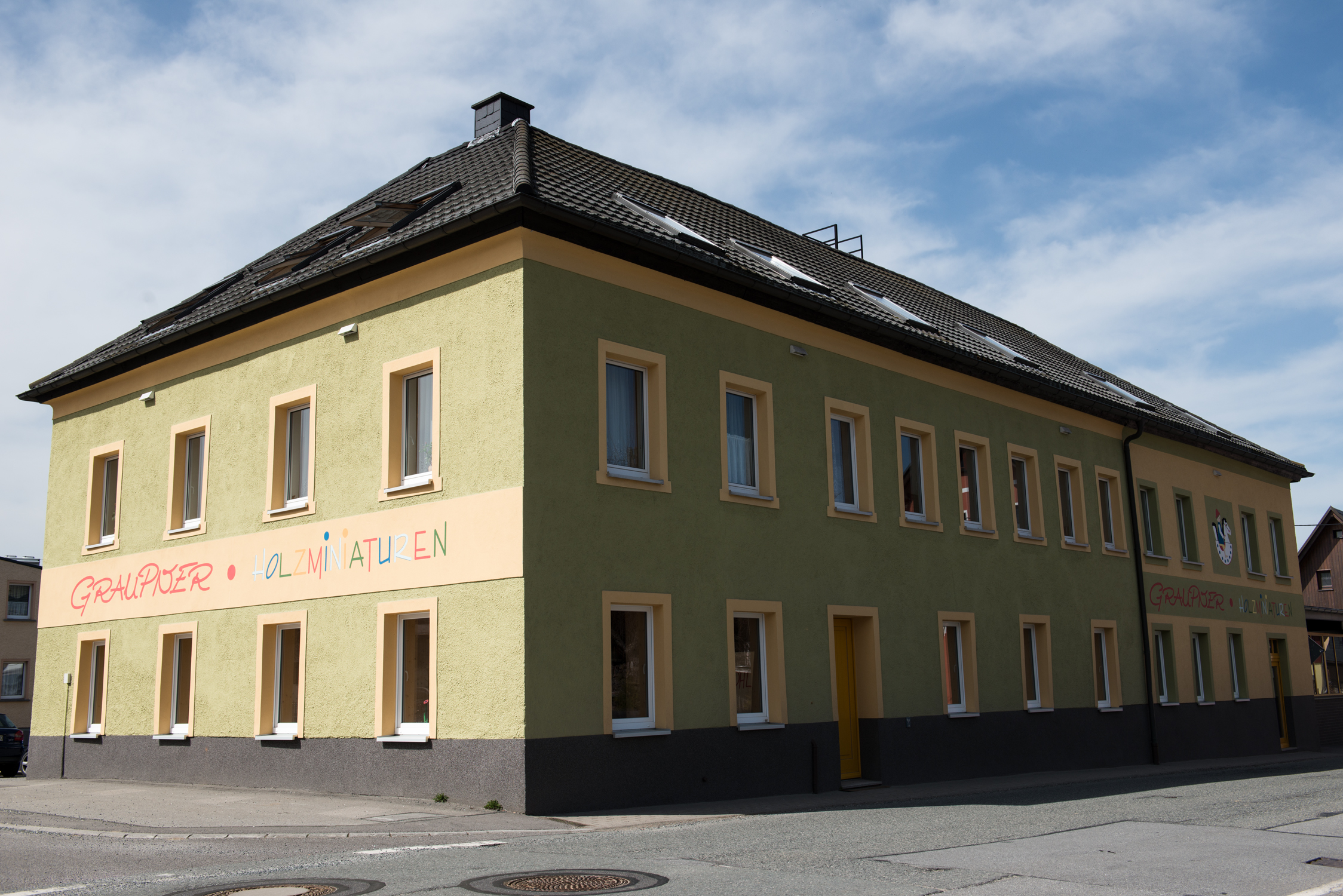
The building the company now works from has its own layered history — it was used for generations to produce "Crottendorfer" incense products before being nationalized under East German rule, and the Graupner family regained control of it after 1990. Today the company employs a small team of 10 to 16 people, exports about a fifth of its output to the US and Japan, and is run in part by Elisabeth Graupner, the founders' daughter, who returned to the family business in 2015.
The full story: a Trabant, a Nuremberg toy fair, and a building reclaimed
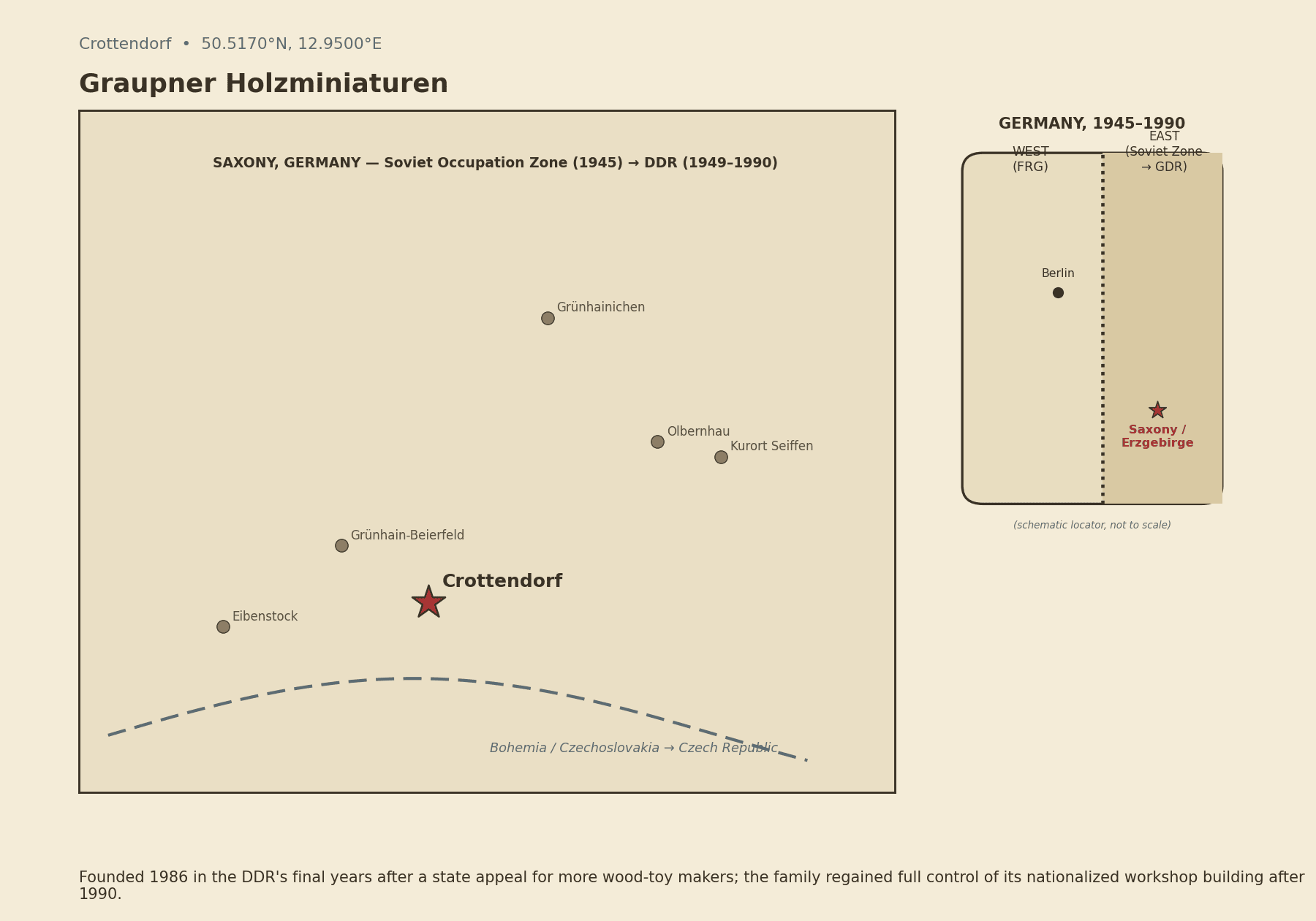
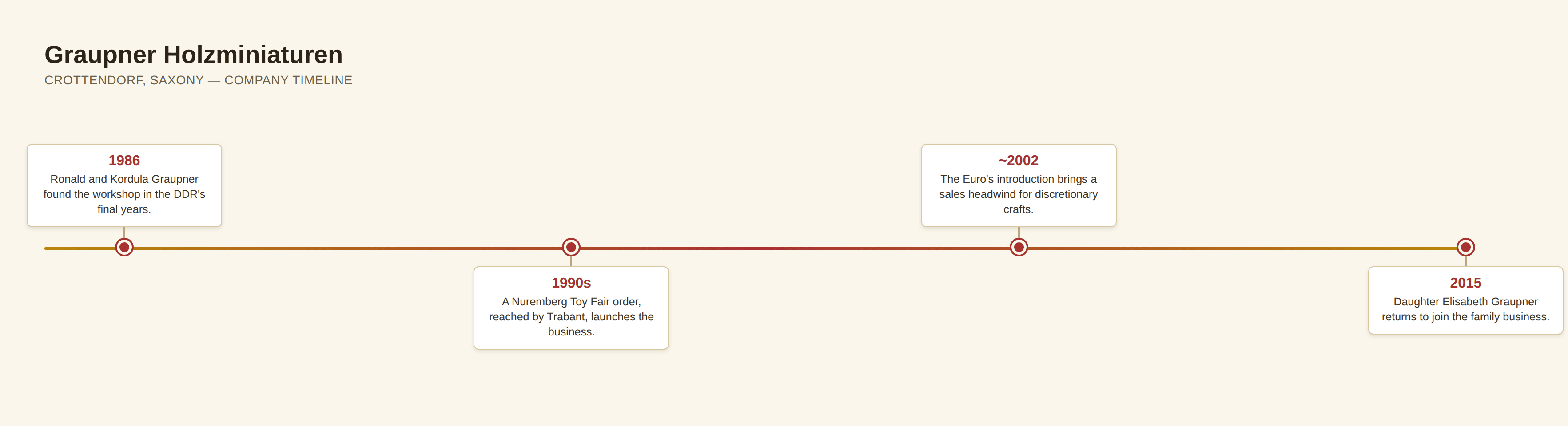
Ronald Graupner trained as a mechanical engineer, but requalified as a certified wood-toy maker after the East German state put out a call for more producers in the trade — a telling detail about how centrally the DDR managed even small-scale craft production. He and his wife Kordula, who became the workshop's "master of colors," founded the business in Crottendorf in 1986, only a few years before the system that had shaped their careers came apart entirely.
The building itself carries an older story. For generations it had been used to produce "Crottendorfer" incense products under family ownership, before the East German state nationalized it as "volkseigen" — people's property — sometime during the DDR period. When reunification arrived, the Graupner family regained control of the building, turning a reclaimed piece of family history into the home of their own new company.
The breakthrough came shortly after 1989, when the founders drove to the Nuremberg Toy Fair in a Trabant — the boxy, underpowered East German car that's become a symbol of the era — with a sample selection of their work. They came home with an order large enough to fill their production books and grew the workforce to roughly 30 at their peak. The introduction of the euro around 2002 reportedly hurt sales, as discretionary crafts often suffer when currency changes reshuffle household budgets, and the company today runs leaner, with 10 to 16 employees. In 2015, the founders' daughter Elisabeth Graupner returned to Crottendorf after ten years away in Berlin to join the family business — the kind of quiet generational continuity that a lot of Erzgebirge workshops are still waiting to find out if they'll get.
Historical details above reflect publicly available sources as of 2026 and are presented in good faith; company-specific dates for small family workshops are sometimes thinly documented, and we've noted where regional context (rather than firm-specific record) is being described.